Carrying Hope Forward: Heidi Floyd on Patient Voice, Trust, and the Human Side of Healthcare
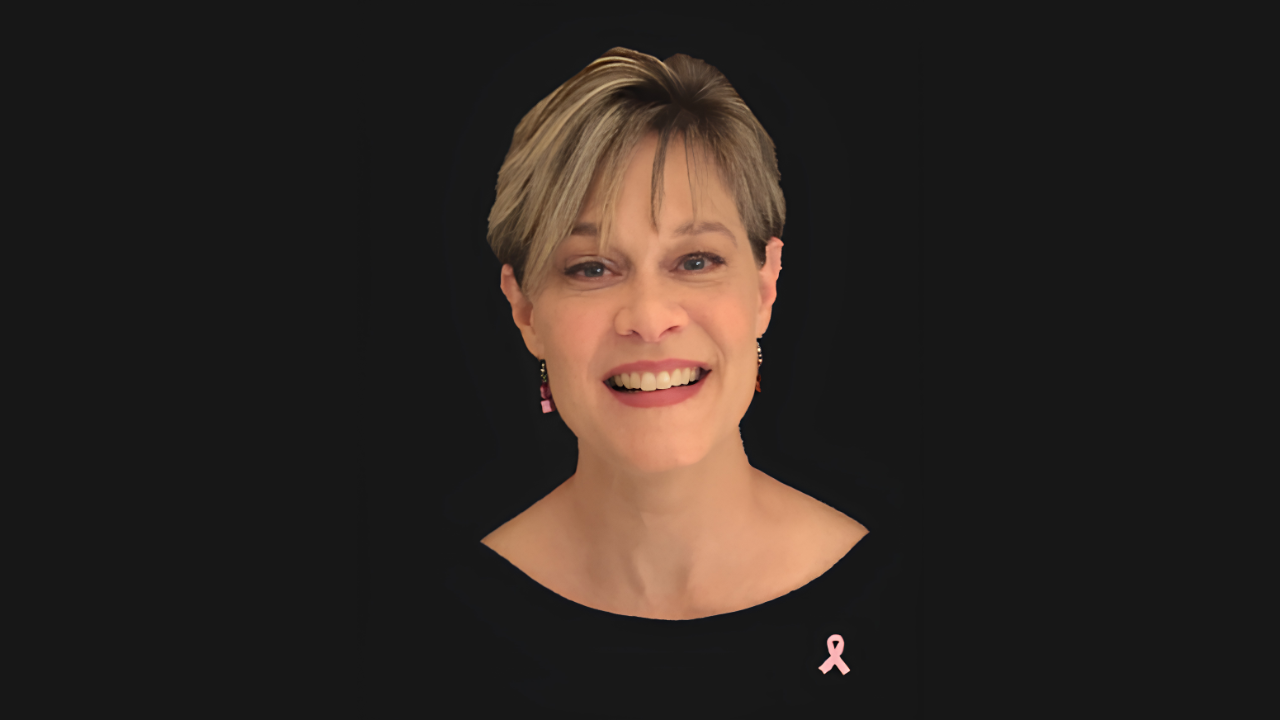
I first met Heidi Floyd at the ACRP Georgia Clinical Trials Day celebration, where I had the honor of speaking about cybersecurity, AI, data integrity, and trust in the future of healthcare. And as much as I care deeply about all of those topics, Heidi’s story reminded me of something we can never afford to forget:
Behind every system is a person.
Behind every data point is a life.
Behind every innovation is someone hoping it reaches them in time.
Heidi’s journey as a two-time breast cancer survivor, patient advocate, lived experience expert, and global voice in healthcare is a powerful reminder that patient voice is not a checkbox. It is how we build trust, shape better decisions, and make sure healthcare innovation stays human.
Her advocacy carries both tenderness and power, and I am honored to share her voice with the Tech She Secures community.
Origins & Advocacy Journey
Your story is incredibly powerful and deeply human. From your experience as a two-time breast cancer survivor to becoming a nationally recognized patient advocate and lived experience expert, can you walk us through your journey and the experiences that shaped who you are today?
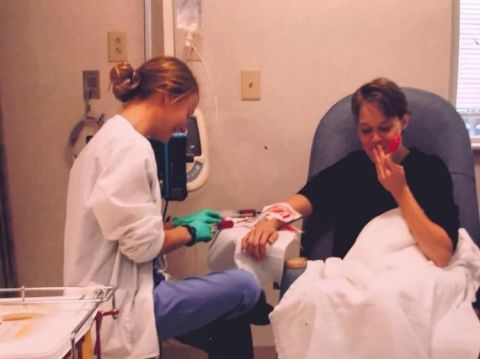
Thank you! I think that my story isn’t unique, in that we all have challenges that we must find a way to overcome. After losing my mom to breast cancer when I had just started college, I was wildly uninformed about all things cancer. We didn’t have the internet at that time, so everything I learned was via experience. When I was diagnosed myself years later, I was a mom of 3 young children and was pregnant with my 4th. I was petrified; how could I do this? Finding an oncologist was actually the most difficult initial task, my first doctor told me that pregnancy termination was the easiest path, and that was not my choice. When I did find the right oncologist, he knew how to treat me while pregnant, how to connect with me as both a patient and a person, and he encouraged me to use my voice to help others with this disease. Doing chemotherapy during an entire pregnancy is difficult, and I won’t pretend otherwise. Knowing that I had an incredible medical team on my side made all the difference.
You were first diagnosed during pregnancy as a young mother, an experience that carries so much emotion, uncertainty, and strength. How did that chapter shape your voice, your purpose, and the way you advocate for patients and families today?
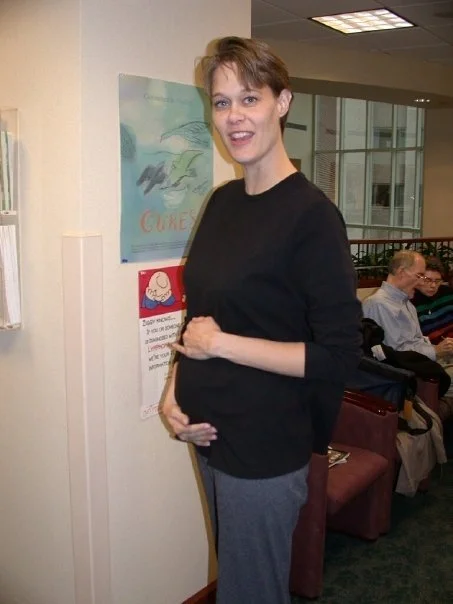
I felt, from the first moment I heard “you have a very aggressive cancer”, utterly alone. All the fear, anxiety and anger was something I tried hard to push down emotionally and power through – but it took its toll on me in many ways. When my oncologist told me that sharing my story might just help other women out there feel less alone and less terrified, I made that my sightline. That, of course, and doing all within my power to deliver a healthy baby. There have been countless people who have reached out to ask me for tips + tricks on how to get through chemotherapy and of course I’m happy to share ideas, but for me the most important thing is not just the physical ‘survival’ of that first phase; it’s also how people take care of themselves and their families during AND AFTER treatment. For many of us, cancer is a lifelong situation, with continuing medication, scans etc for decades after chemo and radiation. Focusing on how to help for the long run is paramount.
Patient Voice, Trust & Healthcare Impact
Much of your work focuses on helping organizations understand the real-world patient experience and translate those insights into meaningful action. What do you wish more healthcare leaders, researchers, and innovators truly understood about the patient voice?
I wish they knew how many of us out here just want to be included, not just notated in a file. There have been many instances in which I’ve seen researchers meet one-on-one with patients in a meeting or at a convention, and they end up hugging each other and beginning a beautiful new friendship. Those opportunities are so rare. However, many underserved patients might never get a chance to attend a conference focused on their disease, and they will never meet the pharma innovators and researchers who truly want to save lives. It’s a chasm of missed opportunities, in my opinion.
Trust is such a critical part of healthcare, especially in oncology care, clinical trials, and underserved communities. From your perspective, how can organizations begin to build or rebuild trust with patients and families?
The best way to begin is to start with history. If you are unfamiliar with Henrietta Lacks, for example, you might not understand why a particular community won’t trust an institution to take samples of blood or tissue. If you don’t know that women were only included in clinical trials just 40 YEARS AGO, you might not understand why they might be hesitant to participate. Without question, the lowest representation of any demographic in clinical trials to this day are Indigenous populations, but I’m sure if you ask the average American they would say other groups…this historic oversight is horrific, and we advocates need to remind everyone that Indigenous groups matter just as much as others.
Leadership & Influence
You have collaborated with organizations across healthcare, nonprofit, pharmaceutical, government, and research spaces, including Google, the American Cancer Society, Susan G. Komen, NIH, the Department of Defense, WHO, and global pharmaceutical organizations. What has helped you use your voice effectively in rooms where major healthcare decisions are being made?
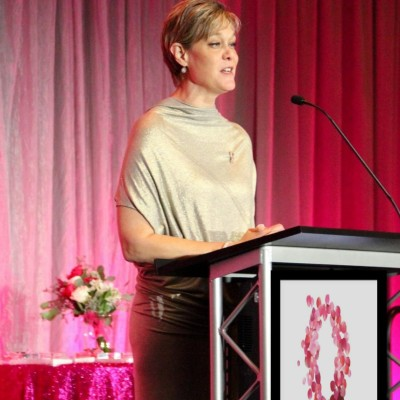
Interestingly, when sharing my advocacy story in rooms that are NOT healthcare focused, connections to the healthcare community arise the fastest. For example, when I’ve spoken at several Google offices, inevitably there will be someone in the audience who offers to connect me with someone in the healthcare space and then those conversations begin. Groups like CPHI and Fierce Pharma are in the life sciences arena and seek to include the patient voice on a global scale, and those connections are golden. Not just through their large (and amazing) events, but through their podcasts and reporting. I think just blooming where you are planted is the best way to use your voice in any situation.
Advocacy often requires courage, especially when speaking on behalf of patients and communities whose voices have historically been overlooked. What leadership lessons have stayed with you most throughout your advocacy journey?
I have a brilliant friend who is an executive coach (Molly Tshang) and she told me once that sending the elevator back down is no longer sufficient. As leaders or even just someone who has the microphone for a moment, the onus is on us to make sure all are included. We have to get in the elevator, grab them by the hand and push the ‘up’ button for them. Here’s an example: I was asked to speak at a breast cancer event that was focused on triple-negative breast cancer (TNBC), which is not my specific disease. I said that I would be honored to attend and keynote, of course, but instead of giving me 45 minutes to speak, could I please take 15, tell my story briefly then bring in my eloquent friend who actually has TNBC? It’s inclusion without rejection of the offer, and was greeted with wonderful enthusiasm. The event was a wild success, and someone who would have never been included was on the main stage.
Clinical Research, Access & Equity
Clinical trial engagement and health equity are important parts of your work. What are some of the barriers that keep patients from participating in clinical research, and what can organizations do differently to make research more accessible, inclusive, and human-centered?
Money and trust. Truly, those are the biggest barriers I’ve heard from patients. The financial toxicity in the US is an under-discussed element in this space. How can I afford to take the time off to participate, to pay for childcare, to pay for parking even? That’s an actual question raised that is most prominent in both frequency and severity. Trust is another; patients often feel like a cog in the wheel instead of the most important part of research. They will quiet-quit trials when they feel as if they don’t matter or don’t want to cause any issues. They should feel utterly empowered and instead feel like a second thought.
You have served as a consumer reviewer and advocate in research settings, helping bring the patient and family perspective into conversations about diagnosis, treatment, quality of life, and outcomes. What does it mean to have patients not just represented, but truly included in research decisions?
It is an assurance that all of the data points we have gathered from our community will make a difference when brought to the table on these decisions. We have meaningful and powerful experiences that bring value to the entire lifecycle of medicines, devices and treatment. It is remarkably hopeful that others want to hear what we have to say!
The Human Side Behind the Work
Tech She Secures always loves highlighting the human side behind the professional journey. Advocacy work can be deeply meaningful, but also emotionally heavy. What is one self-care habit, ritual, or activity that helps you recharge and stay grounded?
I have a few things that I really love; I have grown children with whom just spending a few cherished minutes with is uplifting. I also love to garden (albeit in a very small urban setting) and I pray constantly.
Healthcare Innovation & Responsible Progress
As healthcare becomes more digital, data-driven, and innovation-focused, what should organizations be careful not to lose sight of when designing the future of care, research, and patient engagement?
Oh the human element, without question. Yes, use and embrace any tool that might help find cures and rid the planet of disease, but connect with the people affected first and then all the way through. Ask us questions, listen to our words, hear our pleas and our praise! You might have to focus on ‘keeping the patient top of mind’ but we don’t have to make an effort to keep you top of mind. Many of us take your meds, for example, first thing in the morning and last thing at night… you are with us, intimately, all day every day.
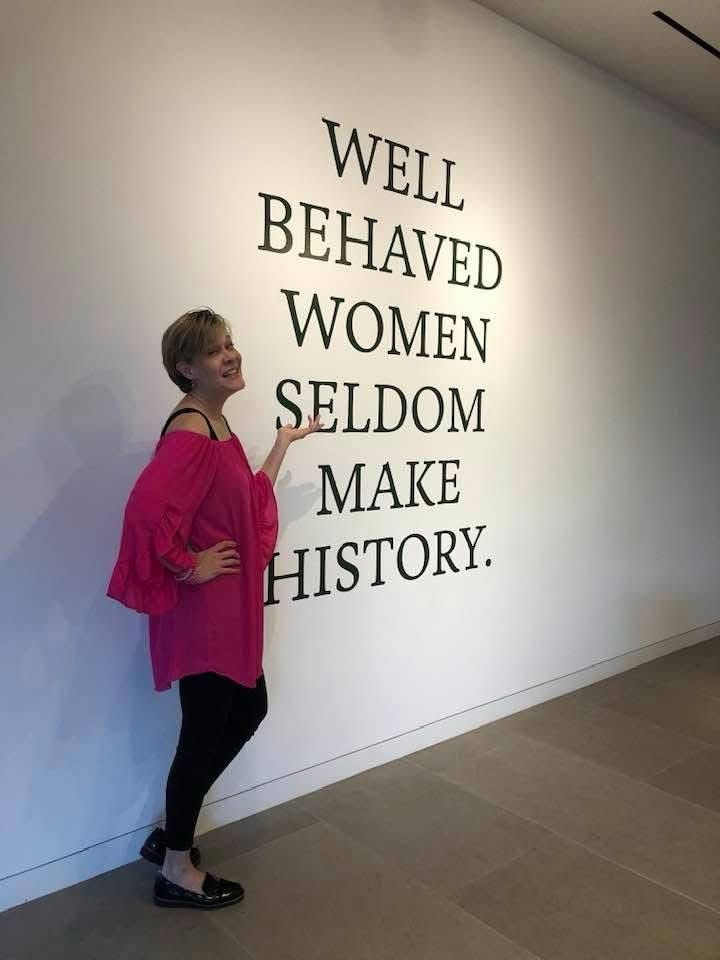
BADdest Moment
Tell us about the “BADdest” challenge you’ve taken on in your journey — the boldest, most authentic, and driven moment you’re most proud of — and how it shaped you.
Seeing the first news article about a promising new drug, but it was one that I had voted ‘yes’ on a grant review years earlier. When something like that happens and one realizes that lives will now be changed for the good, and on a generational scale, it is breathtaking.
Future & Advice
For the Tech She Secures community and others using their voice, lived experience, or personal journey to create impact, what advice would you share with them today, and what’s next for you as you continue building your impact in this space?
Find ways to get good news out to the world. It’s easy for negativity and skepticism to be in the forefront daily, but what truly lifts is hope. Find one small thing and tell as many people as possible on every platform you have. My next step is to speak at as many events as possible, to share all that I’ve learned. I love being able to share in communities that don’t typically have cancer patients speak at their sales events or all-hands meetings. Just explaining how to help ‘Lucy from finance’ as she goes through breast cancer, it’s incredibly rewarding.
Closing Reflections
Heidi’s words are a powerful reminder that patient voice is not something we add after the strategy is already built. It has to be part of how we design, decide, lead, and measure progress.
Her reflections bring both truth and hope into the same conversation. She reminds us that trust is shaped by history, access is shaped by real-life barriers, and inclusion means more than inviting someone into the room. Sometimes it means going back, taking someone by the hand, and making sure they are brought up with us.
That is the kind of leadership we need more of.
As we build the future of care, research, AI, data, and digital health, we cannot lose sight of the people living inside the systems we are trying to improve. Progress is not only about what we create. It is about who we listen to, who we protect, who we include, and who feels less alone because of it.
So here is a small but powerful challenge: if you are planning a meeting, panel, leadership discussion, research event, innovation session, or healthcare conversation, consider inviting a patient voice into the room. Not as an afterthought, but as someone whose lived experience can help shape the conversation from the start.
And if you are not sure where to begin, Heidi has generously offered to help connect organizations with patient voices in the right space and context.
Thank you, Heidi, for sharing your time, your openness, and your powerful voice with Tech She Secures. Your story is bold, authentic, driven, and deeply human, and it is a reminder of why voices like yours do not just deserve to be heard. They need to shape what comes next.
Maliha
Disclaimer: The content on this blog and website reflects a combination of my personal experiences, perspectives, and insights, as well as interviews and contributions from other individuals. It does not represent the opinions, policies, or strategies of any organization I am currently affiliated with or have been affiliated with in the past. This platform serves as a personal space for sharing ideas, lessons learned, and meaningful reflections.
